


Introducing the Islands of Amami
A rewarding island that touches your heart
Tokunoshima Tokunoshima
Feel the breath of the earth and touch the memories of the island. On Tokunoshima, stillness and vitality—woven by nature and culture—coexist in harmony. The deep, untamed blue of the open ocean and the gentle rhythm flowing through its villages blend seamlessly on this single island. As you walk along its roads, you hear children’s laughter, see flowers blooming in garden yards, and cars moving unhurriedly. Everything follows the rhythm of daily life. Rather than feeling like a visitor to a tourist destination, you may sense a quiet intimacy—as if you’ve been softly invited into the island’s everyday world.


ROUTE MAP Route map
suspended
Travel by Ferry
To Tokunoshima,
a World Natural Heritage island
Ferry access to Tokunoshima is available via southbound services from Amami Oshima and northbound services from Okinoerabu. There are two southbound routes.
One route runs from Naze Port on Amami Oshima to Kametoku New Port on Tokunoshima, taking about 4 hours and 30 minutes. The other runs from Koniya Port in southern Amami Oshima to Hetono Port on Tokunoshima, taking about 2 hours.
For northbound services, ferries operate from Wadomari Port on Okinoerabu to Kametoku New Port on Tokunoshima, with a travel time of about 2 hours and 30 minutes.


#2 Stirring Landscapes Shaped by Dramatic TerrainMagnificent Views of World Natural Heritage Tokunoshima
The beauty of Tokunoshima lies not in dramatic impact, but in the depth shaped by landforms and time. Over countless years, sea, wind, and light have layered together to create the island’s distinctive character. By exploring the landscapes scattered across the island, you begin to sense the richness and depth of Tokunoshima’s nature.


A Lush Green Arch Woven by Nature
Kanamizaki Cycad Tunnel
In Kanami Village, cycads originally planted as field boundaries have grown to form a natural tunnel stretching about 200 meters. Wrapped in the cool, shaded air created by overlapping leaves, you emerge to the Kanamizaki Observatory, where sweeping views of the Pacific Ocean and the East China Sea await.


“Tokunoshima’s Boundary Line” Rising from the Sea
Tonbara Rock
A massive granite reef off northeast Tokunoshima; one block formed tens of millions of years ago, rising sheer from ~100 m depth. Sharp waves-carved faces; from the lookout, layered seas and island silhouettes—a Tokunoshima icon.


A Sacred Cape Welcomed by Calm Seas
Inutabu Cape
At the southern tip of Tokunoshima stretches a quiet cape where the endless sea and the sound of wind create a gentle stillness. Time seems to move softly here. Offshore, this sea once witnessed the devastation of war. A memorial monument stands on the cape, watching over the waters to this day. As you stand within the vast landscape, the tranquility of nature and the weight of history etched into this place quietly settle in your heart.


A Coastal Landscape of Striking Rock Formations, Distinctly Tokunoshima
Inunomonfuta
This coastal area showcases distinctive landforms shaped over countless years by wind and waves. The arch-carved “Megane Rock” and the layered rock walls standing side by side resemble a monumental sculpture crafted by nature itself. As light shifts and tides rise and fall, the scenery transforms—offering a new view with every visit.


#3 Ride Through the Night on World Natural Heritage TokunoshimaA Quiet Adventure: Night Cycling Tour
On Tokunoshima’s night cycling tour, you begin to feel the island’s unique nocturnal atmosphere almost as soon as you set off. Along roads with few streetlights, a sky filled with stars unfolds above, wrapping you in a stillness completely different from daytime. The tour uses electric-assist e-bikes, making even uphill stretches easy to navigate. First-time night riders can join with confidence and enjoy the island after dark in comfort. Riding with headlights on naturally sharpens your awareness of the surroundings. Along the way, you may encounter nocturnal wildlife native to Tokunoshima—such as the Tokunoshima gecko, the Amami tip-nosed frog, or owls—reminding you of the island’s rich ecosystem. At open viewpoints, you can pause to take in the quiet black sea alongside the star-filled sky. Stopping your bike to simply look up is one of the special pleasures of night cycling. Under the stars, in the silence, with the smooth comfort of an e-bike—Tokunoshima’s night cycling tour offers a gentle yet unforgettable way to experience the island after dark.


#4 An Evening Walk in Tokunoshima with a Tōgyū Bull.A Special Stroll to Experience the Island’s Bullfighting Culture Up Close.
In Tokunoshima, visitors can take part in an evening walk alongside a bull raised for tōgyū (traditional bullfighting). Stepping out from the barn and walking along quiet roads at the bull’s pace, this “walk with a bull” offers a uniquely Tokunoshima experience, where bullfighting culture remains close to everyday life. Because bulls have long been part of daily life—not only the arena—opportunities like this continue today. While the animal’s impressive size may feel overwhelming at first, guides provide clear instructions on how to walk and maintain a safe distance, allowing even first-time participants to join with confidence. As you move in rhythm with the bull, your awareness naturally shifts to the surrounding scenery and the gentle evening air. This tour offers a rare chance to encounter Tokunoshima’s bullfighting culture at an intimate, everyday distance. A uniquely local way to spend a quiet island evening.


#5
Everyday Scenes in Tokunoshima’s Villages
A Cultural Experience Gently Woven into Island Life
Walk through Tokunoshima’s villages and you’ll meet an everyday life different from scenery arranged for tourism—stone-walled lanes, gentle slopes, and the sound of trees moving in the wind. In Agen Village, layers of time shaped by continuous living remain as a quiet landscape.
Two things you can experience while walking the village are Tokunoshima’s traditional ‘fui-cha’ tea and the village’s beloved symbol: a 300-year-old banyan tree. Both are still carefully passed down as part of daily life on the island.


A Traditional Tea Culture Passed Down in Tokunoshima
Fui-cha
Fui-cha is a tea custom unique to Tokunoshima, where roasted rice tea is whisked into a gentle foam using a bamboo or kuba palm whisk. It has long been enjoyed naturally in daily life—during breaks from farm work or when family members gather together. Free from strict ceremony, it can be casually savored in comfortable places such as garden spaces or verandas. Sharing warm bowls of tea and conversation reflects the island’s culture of gently bringing neighbors closer together. At Café Maezato in Agon Village, a single cup of fui-cha offers a quiet glimpse into the island’s rhythm of life and its people’s way of living.


A Living Symbol Watching Over the Village’s Passing Time
The Great Banyan Tree
Deep within Agon Village stands a great banyan tree, its thick roots spreading firmly across the earth and its branches stretching wide overhead. Having grown over many years, it quietly tells the story of the village’s history and the richness of its natural surroundings. The overlapping leaves seen from nearby homes and the shadows swaying gently in the wind feel less like a special attraction and more like part of everyday life. Encountering this tree while walking through the village reveals how closely nature and daily living intertwine in Tokunoshima. The layered form of its roots and branches conveys the passage of the island’s time into the present.
Contributors

Into the world of animals! Night Cycle Safari Tour
Experience Tokunoshima’s bullfighting culture! Bullfighting/barn tour! Hands-on care experience!
Night Cycle Safari Tour
Bullfighting/barn tour & care experience
Musubiya

Choose from full-day or half-day plans featuring village walks to experience fui-cha and banyan trees, bull care experiences, as well as evening programs.
Town walks featuring fui-cha and banyan trees
Bull care experience
Tabitomo


#6 A Tokunoshima Landscape Where the Living Rhythm of Island Songs Meets the Earth’s Timeless Marks at Mushirose
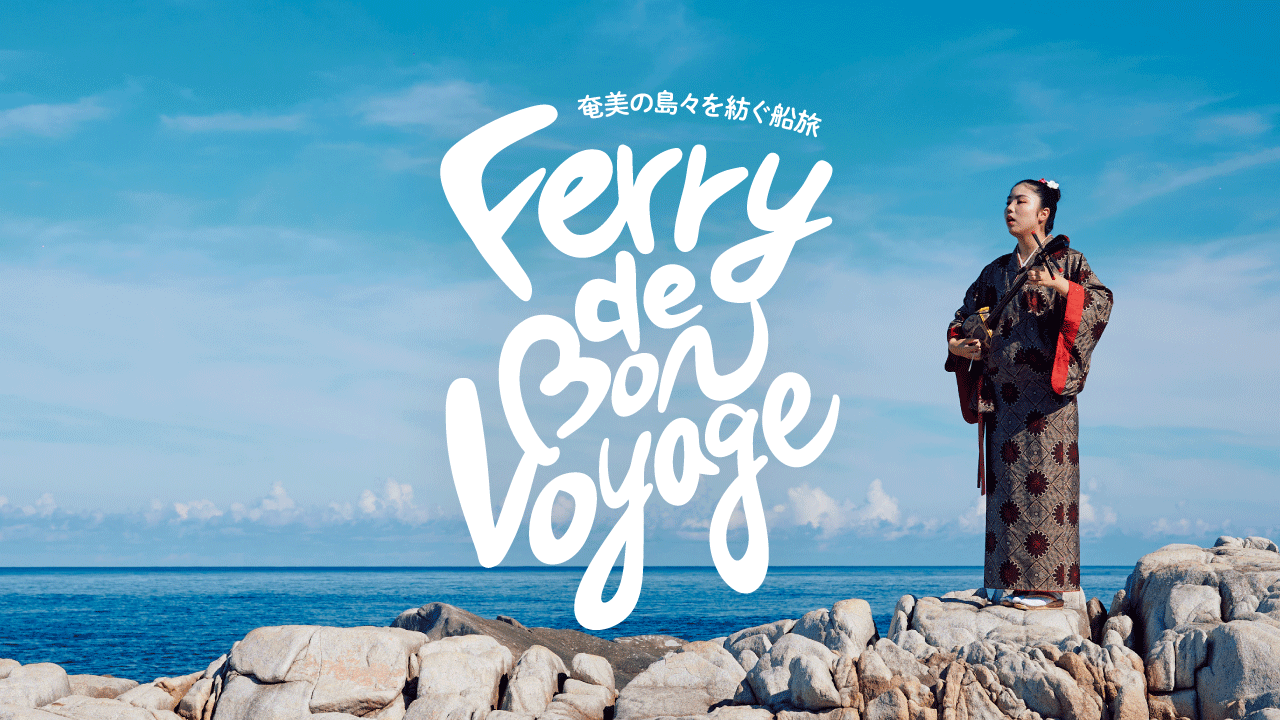
Tokunoshima’s shimauta are less stage performances and more “songs of daily life,” nurtured within village communities. Here, “shima” refers to a settlement, and within each song remain the emotions and relationships of the people who live on that land—woven into words and melody. Across the Amami Islands, songs have naturally arisen wherever people gather. This culture of uta-asobi—where one voice begins and another follows—has long been cherished. Accompanied by the sound of the sanshin, these songs were entertainment, conversation, and a way of connecting hearts in everyday life. Meanwhile, Mushirose is one of Tokunoshima’s most iconic landscapes, where granite formed by magma activity tens of millions of years ago rises exposed above the sea. Beyond its sheer rock faces stretches the ocean, evoking a sense of time far beyond human life—the time of the Earth itself. If shimauta represent the “time of people,” accumulated through daily living, then Mushirose embodies the “time of the Earth,” continuing from the distant past. In Tokunoshima, these two dimensions of time quietly coexist within the same landscape.


#7
Taste the Island: Tokunoshima Home-Style Dishes
Gentle Island Meals Worth Stopping For
If you’d like to taste Tokunoshima’s home-style dishes, there is one place worth visiting: ‘Ouchi Cafe Shimajikan,’ quietly nestled in the Inutabu village. It’s a café where you can enjoy handmade lunches featuring local ingredients.
Inside, the warm feel of wood creates a calm atmosphere, and large windows open onto village greenery and garden views. The dishes on the table value the flavors of everyday cooking that has supported life on Tokunoshima—hand-harvested aosa seaweed, seasonal wild herbs, tempura of island vegetables, fried local fish, and gently simmered chicken soup, among others.
A homemade mashu (salt) is served alongside, bringing out Tokunoshima’s gentle taste.
Spending time over a meal while looking out at the green scenery helps your journey settle into a relaxed rhythm.
It’s a recommended spot where you can feel Tokunoshima’s way of life through its ingredients.


#8 Island Hopping from Tokunoshima.Continue Your Sea Journey to the Islands of the Amami Islands
Making Tokunoshima your travel base brings island hopping by ferry within easy reach. Sea routes connect you to Amami Oshima, Okinoerabu Island, and Yoron Island, forming a network unique to the Amami Islands. With stable sailing schedules, planning your island journey is straightforward. Each island offers distinct scenery and atmosphere; even though you cross the same sea, the feeling of arrival changes dramatically depending on your destination. The character of villages, the color of the ocean, and each island’s geological story unfold as new experiences with every stop. One of the joys of ferry travel is the freedom to choose your next island along the way, rather than fixing every detail in advance. Without overpacking your schedule, you can adjust your plans according to weather or mood. A ferry journey from Tokunoshima is a style of travel that embraces the journey itself. Even the time spent deciding where to go next becomes part of the island-hopping experience. As you imagine the next shore, the voyage continues quietly across the sea.


